
Real Leaders.
Real Results.
From healthcare systems and academic institutions to private coaching and community leadership, here is what happens when the human element is taken seriously.
What Clients Are Saying
Across healthcare systems, academic cohorts, K-12 leadership teams, and individual coaching engagements.
Foundations in Emotional Intelligence
Participant survey results across 26 respondents in two cohort delivery cycles. Scale: 1 = Strongly Agree, 4 = Strongly Disagree.
The Intervention. The Outcome.
Eight documented audience segments. Each one a replicable model.
The Clinical Fortification Pipeline
An allied health OTD program needed to bridge the gap between technical clinical training and the emotional readiness required for high-stakes fieldwork. Students were entering clinical rotations unprepared for the communication demands of professional practice.
Year 1: Full DISC and EQ-i 2.0 immersion. Year 2: Inaugural cohort became peer mentors, creating a self-sustaining accountability culture. Year 3: Pre/post EQ-i 2.0 measurement in progress. Presented at SCOTA Annual Conference.
"I feel not only more aware of my emotions and leadership abilities, but also my cohort's. Eye-opening to see how each of us is different."

Building a Culture of Radical Transparency
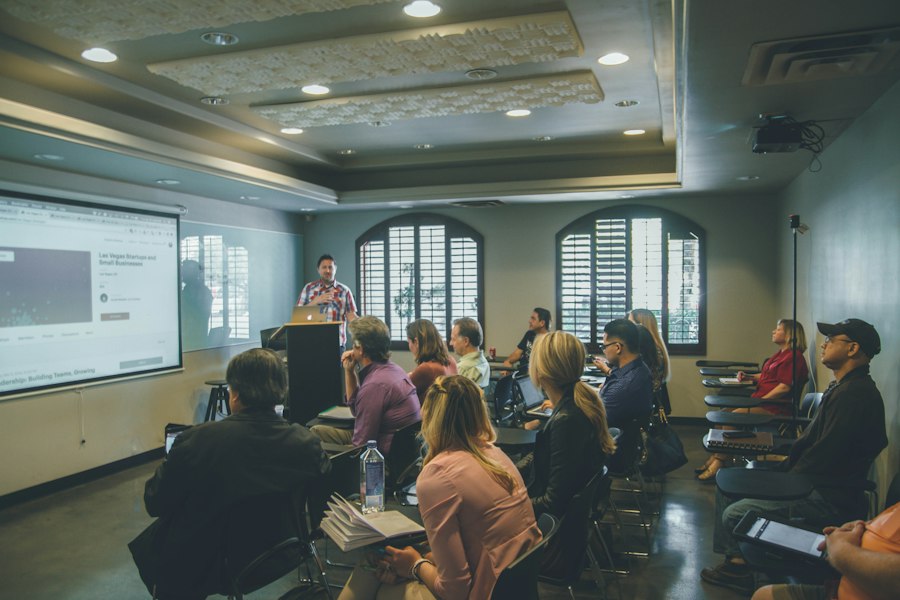
A private school needed professional development that would last beyond Monday. The Head of School needed standardized communication, increased introspection, and resolution of friction from unrecognized behavioral blind spots across all leadership tiers.
45-day tiered rollout: DISC deep-dive, EQ-i 2.0 subscale analysis with biblical leadership integration, Johari Window work, book studies, and Maxwell Leadership curriculum. Engagement spanned from Head of School to facilities management.
"This has been the talk of the school."
From Grand Rounds to Physician Endorsement
Healthcare systems seeking to improve clinical communication, physician effectiveness, and team cohesion face a critical gap: technical training does not address the interpersonal dynamics that determine patient outcomes and team performance.
Dr. Thurman delivered a Grand Rounds presentation to Internal Medicine residents at Cape Fear Valley Medical Center. The response was immediate: Internal Medicine Residency Program Director Dr. Frank J. Lodeserto, MD, personally submitted a written endorsement to hospital leadership introducing TGG as a resource for practicing physicians and clinical leaders.
"I would have regretted not at least connecting you after seeing the impact of his work firsthand."

Unlocking Belief at Every Life Stage
EQ-i 2.0 assessment establishing an objective baseline across all 15 subscales. Coaching sessions using the Belief-Equity model to identify where self-regard, self-actualization, and optimism scores reflected internalized limitations. Structured development plan mapping each life chapter to specific EQ competencies.
"Working with Thurman is like working with someone who knows you and wants to bring the best out of you. He unpacked a level of hope and belief that I did not know I had in myself."
EQ as a Foundational Leadership Capability
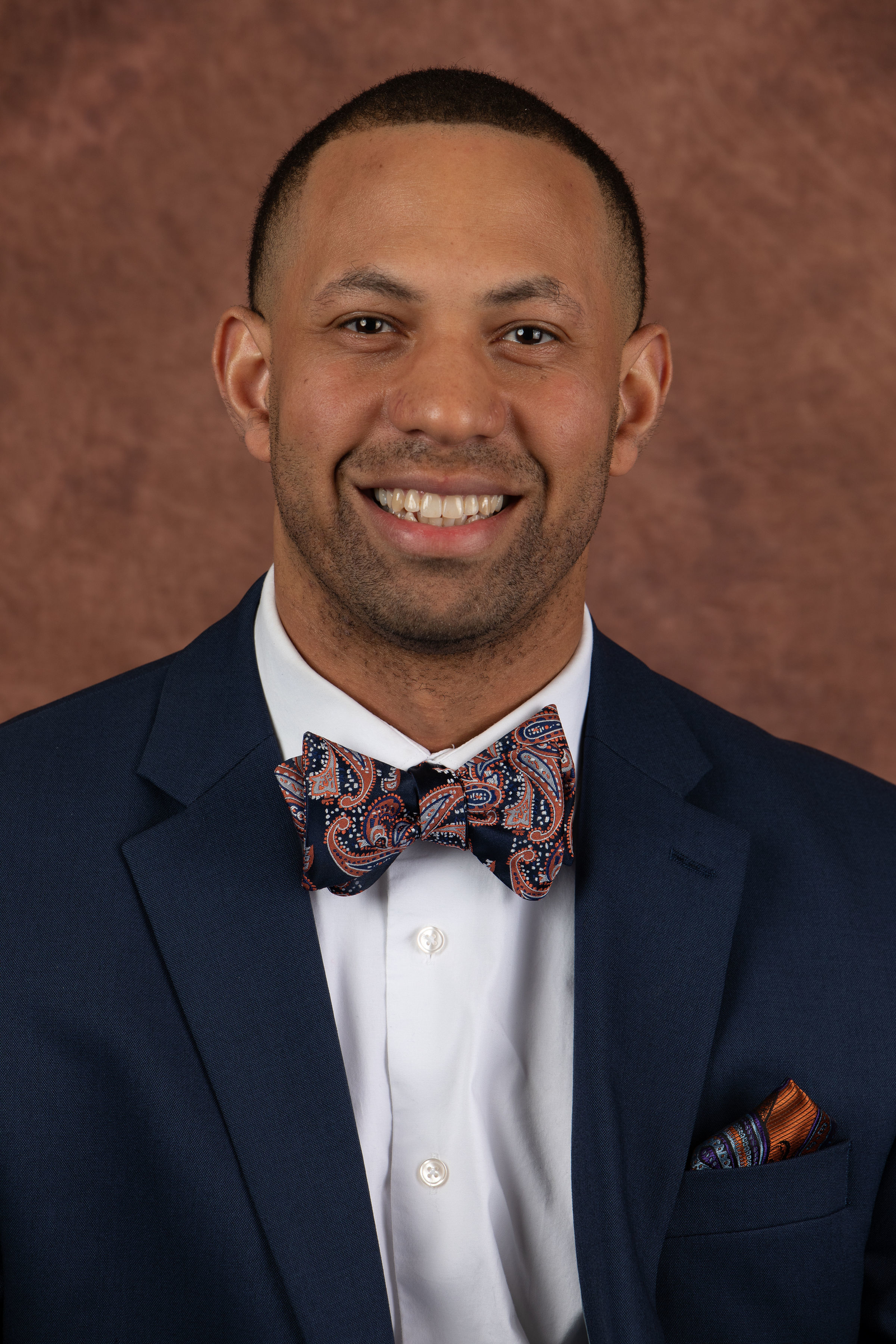
Dr. Thurman delivered a guest lecture at FSU for the Emotional Intelligence in Leading Organizations course. Dr. Rodney L. McCrowre, Assistant Department Chair and Assistant Professor of Management, submitted a formal academic reflection documenting the intellectual and pedagogical impact of the session.
"Emotional intelligence represents a foundational leadership capability in modern organizations. Leaders who cultivate emotional intelligence strengthen trust, improve collaboration, and create environments where individuals and organizations can thrive."

The Self-Sustaining Peer Mentorship Model
After Year 1 assessment and Year 2 peer mentorship, the FMU cohort model now sustains itself without continuous external facilitation. Each new cohort is mentored by the previous one. The institutional investment decreases over time while the embedded EQ culture compounds. Any allied health program can replicate this model.
"Practical solutions to leader development. The knowledge that my mentor is someone who walks the walk in all respects."

When the Doctor Refers the Doctor
A physician with critical care expertise, an academic professorship, and a residency program directorship does not write unsolicited endorsement letters. Dr. Lodeserto did. His letter, addressed to hospital leadership, makes the case for embedding TGG into physician training and clinical leadership development. It is reproduced here in full in the PDF version of this case study.
"I think we all recognize how profoundly these skills influence physician effectiveness, team dynamics, patient engagement, and ultimately quality of care."

What Students Actually Say
Students are the most honest evaluators. They have no political reason to be generous. The responses below come from doctoral candidates at Francis Marion University and business students at Fayetteville State. Both groups were assessed before and after engagement with TGG programming.
Across Industries. Across Roles. Consistent Results.
“Dr. Thurman's advice and leadership have helped me better serve families and students by taking time to think and understand situations more thoroughly, while s...”
“God created all of us uniquely, but we often struggle to know how to communicate with each other. Dr. Thurman led our team through personality understandings, b...”
“Working with Thurman is like working with someone who knows you and wants to bring the best out of you. You can feel his heart as he listens, responds, and gets...”
“I definitely have a deeper understanding of my personality and of my coworkers. After the team building workshop I am more aware of how others identify and how ...”
“Being in the winter of my life, I have found the course very useful. It has helped me to think about how I address others with both facial expression and words....”
“Before the team building workshop I was not aware of my colleagues DISC profiles. After the workshop I am more aware of how others identify and how to interact ...”
“I was less aware of team member communication styles. After the team building workshop I am equipped with tools to enhance communication with co-workers. The as...”
“I believe someone should attend this workshop to get a better understanding of themselves and others. This was extremely helpful for connecting and learning mor...”
“I feel not only more aware of my emotions and leadership abilities, but also my cohort’s. It was eye-opening to see how each of us is different. This is the most impactful professional development I have experienced.”